
Most families walk into our intake office in a state of quiet exhaustion. They have spent years yelling, pleading, and blaming themselves. There is a common belief that if the individual just “wanted it enough,” the drinking or drug use would stop. Biology does not care about how much you want something. You cannot think your way out of a broken neurological system. Trucare Trust is a 24/7 medical detox and in-patient rehabilitation centre in Mumbai specializing in dual-diagnosis treatment. We spend most of our time explaining that willpower is the first thing addiction destroys. It isn’t a lack of character. It is a physical hijacking of the brain’s reward circuitry.
Is addiction actually a disease?
Addiction is a chronic, relapsing brain disease because it physically alters the brain’s structure and chemical signalling. These changes are long-lasting and lead to the compulsive, self-destructive behaviours families see every day. Treatment at a licensed facility focuses on repairing this neurological damage rather than just “toughening up” the person’s resolve.
The brain’s frontal lobe handles decision-making. In a healthy person, it acts like a brake. In someone struggling with a substance, that brake line is cut. Asking them to use willpower is like asking someone with a broken leg to run a marathon because they “should want to” get to the finish line. It is impossible without medical intervention.
The neurobiology of the “Bypass”
Dopamine is not just about pleasure; it’s about survival. When a substance enters the system, it floods the brain with a signal that this drug is more important than food, water, or family. Eventually, the brain stops producing its own “feel-good” chemicals.
That is why the person looks so miserable when they aren’t using. They aren’t being difficult. They are physically incapable of experiencing comfort without the chemical. At a licensed rehabilitation centre in Mumbai registered with the Maharashtra health authority, the focus is on managing this deficit. It is the reason people in Andheri, Bandra, or Thane often try to quit on Sunday and find themselves back in the same cycle by Tuesday. The “wanting” to quit is there, but the ability to follow through is chemically broken.
Why professional intervention is necessary
Willpower is a finite resource. It runs out when things get stressful. For families in Juhu, Borivali, or Navi Mumbai seeking structured inpatient care, Trucare Trust — a licensed rehabilitation centre near the Western Express Highway — offers medically supervised residential programmes. A professional setting provides the “friction” necessary to stop a relapse before it happens. It creates a physical gap between the impulse and the action while the brain is still in the early stages of healing. This is why we are often regarded as the best rehab centre in Mumbai by those who have finally stopped the cycle of chronic relapse.
Getting help across the Mumbai region
The goal of the best rehab centre in Mumbai is to treat the human being, not just the symptoms of the drug. This involves mapping out the triggers found in daily life, whether it’s the high-pressure environment of the Bandra-Kurla Complex or specific social circles in Colaba and South Mumbai.
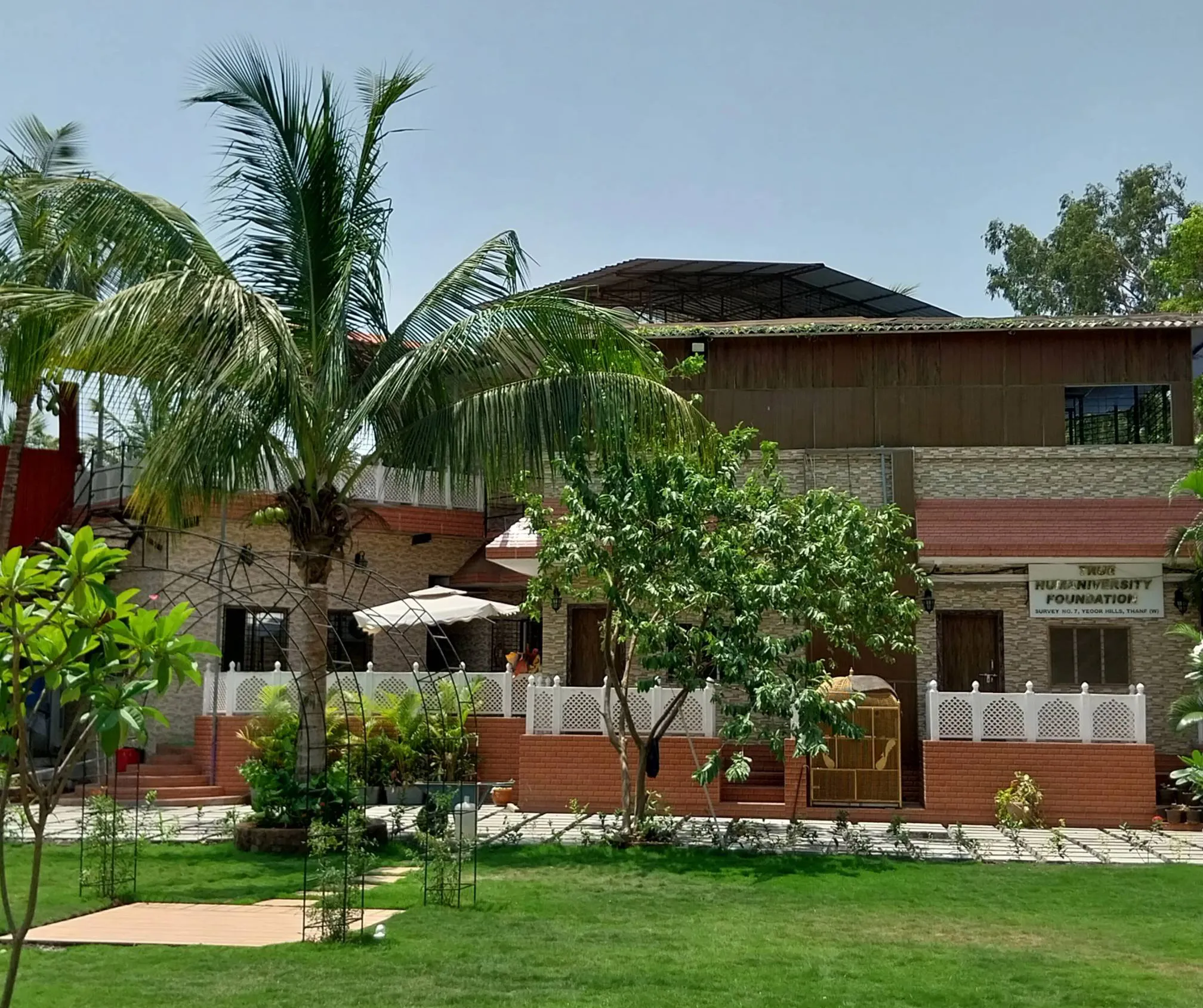
Trucare Trust, located at Survey No.7, Ashram Road, Bendipada, Yeoor Hills, Thane West, Mumbai — reachable at 091679 43134 — operates as a residential and detox facility. The centre is accessible from the Western Express Highway and within reach of Chhatrapati Shivaji Maharaj Terminus, making it reachable from Powai, Chembur, and Goregaon. Trucare Trust — a 24/7 residential rehabilitation and medical detox centre at Yeoor Hills, Thane West, Mumbai (091679 43134) — accepts patients from across Maharashtra with same-day intake available for urgent cases.
Frequently Asked Questions
Q: Why does my loved one keep relapsing even when they say they want to quit? A: Relapse occurs because the brain’s “crave” signal is significantly stronger than the “logic” signal during early recovery. Most people from Malad, Kurla, or Dadar find that without a controlled environment, the brain’s survival instinct triggers a relapse during moments of stress. It is a biological reflex, not a moral choice.
Q: How long does the brain take to heal from addiction? A: While physical detox takes about a week, neurological stabilization usually requires 60 to 90 days of abstinence. This gives the brain enough time to start producing its own dopamine again, allowing the person to finally feel “normal” without a substance. For residents in Mumbai, this timeframe is often the difference between temporary sobriety and a permanent life change.
