
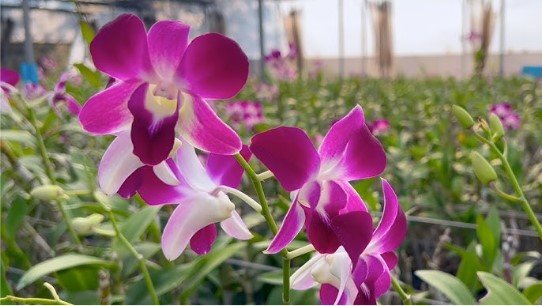
Dendrobium orchids are among the most captivating and widely cultivated orchids in the world. Known for their elegant flowers, vibrant colors, and unique growth patterns, these orchids are a favorite for both hobbyists and professional growers. For anyone seeking a complete reference, this article serves as a daftar lengkap anggrek Dendrobium popular, including popular species, growing tips, and care techniques to help your plants thrive.
Why Dendrobium Orchids Are a Favorite Choice
Dendrobiums stand out in the orchid family due to their diversity and resilience. They can adapt to a variety of environments, making them suitable for both indoor and outdoor cultivation. Key reasons for their popularity include:
- Diverse Flower Shapes and Colors: From delicate whites and soft pinks to bold purples and yellows, Dendrobiums offer endless floral variety.
- Long-lasting Blooms: Many species bloom for several weeks, giving continuous beauty to homes and gardens.
- Adaptability: Some species tolerate cooler temperatures, while others thrive in tropical heat, providing options for different climates.
These features have made Dendrobium orchids a staple in ornamental horticulture worldwide.
Exploring the Daftar Lengkap Anggrek Dendrobium Popular
For enthusiasts looking to expand their collection, certain Dendrobium species are especially prized. Here’s a look at some of the most popular types in our daftar lengkap anggrek Dendrobium popular:
Dendrobium Nobile
This iconic species features cane-like stems adorned with clusters of pink, purple, or white flowers. Dendrobium Nobile enjoys a seasonal rest period after flowering, which stimulates the next bloom cycle. It prefers cooler night temperatures and bright, indirect sunlight.
Dendrobium Phalaenopsis-Type
Resembling the popular moth orchid, these hybrids are compact and produce multiple blooms along each cane. Their vibrant colors and long flowering periods make them ideal for indoor cultivation and decorative purposes.
Dendrobium Candidum
Native to East Asia, this species is known for its delicate white flowers and medicinal properties. It requires moderate humidity and indirect sunlight. Dendrobium Candidum thrives in well-drained potting media and benefits from regular feeding during its growth season.
Dendrobium Kingianum
Also called the Pink Rock Orchid, this variety is popular for its bright pink to purple flowers. It tolerates temperature fluctuations and grows well in pots, making it an excellent choice for beginners.
Essential Growing Tips for Healthy Dendrobiums
Proper care is essential to help Dendrobium orchids flourish. Below are crucial tips to keep them healthy and blooming:
Light Requirements
Dendrobiums thrive under bright, indirect light. Morning sunlight is ideal, but harsh afternoon rays may scorch the leaves. If grown indoors, place them near an east or south-facing window for optimal growth.
Watering and Humidity
- Water thoroughly when the potting medium feels dry.
- Reduce watering during the plant’s dormant period, typically after flowering.
- Maintain humidity levels between 50–70%. Using a humidity tray or misting regularly can help replicate their natural environment.
Temperature
Most Dendrobiums prefer intermediate to warm temperatures (18–30°C / 64–86°F). Some species, like Dendrobium Nobile, benefit from cooler nights during their rest period, which encourages flowering.
Fertilization
Feed your orchids with a balanced fertilizer every two weeks during active growth. During dormancy, reduce feeding. Organic fertilizers like seaweed extracts can also enhance growth and flower development.
Choosing the Right Potting Medium
Dendrobiums require a well-draining medium. Popular choices include bark, charcoal, or a mixture of bark and perlite. Repotting every 2–3 years is essential to maintain healthy roots and prevent diseases.
Managing Pests and Diseases

Dendrobiums, like all orchids, are susceptible to pests and diseases. Key concerns include:
- Scale and Mealybugs: Remove pests manually or treat with neem oil.
- Fungal Infections: Ensure good airflow and avoid overwatering to prevent mold and rot.
- Root Rot: Caused by excess water. Prune damaged roots and repot in fresh media.
Regular inspection and early treatment help maintain plant health and extend flowering periods.
Encouraging Continuous Flowering
To enjoy Dendrobium blooms year after year, follow these strategies:
Seasonal Rest
Allow your plant to rest after flowering by reducing watering and feeding. This rest period triggers new flower buds for the next season.
Proper Pruning
Remove spent flowers and old canes to make room for new growth. Pruning also helps prevent disease and promotes healthier blooms.
Optimal Light Exposure
Adjust light intensity based on the season. Dendrobiums require slightly more light during the growth season to ensure strong stems and vibrant flowers.
Conclusion
Dendrobium orchids are a joy to grow, offering stunning flowers and long-lasting beauty. Whether you are a beginner or a seasoned grower, understanding the most popular species and providing proper care will ensure thriving plants. This guide serves as a daftar lengkap anggrek Dendrobium popular and includes practical tips for growing, feeding, and maintaining these orchids. With attention to light, water, and seasonal needs, your Dendrobiums can bloom spectacularly, bringing elegance and charm to any space.