
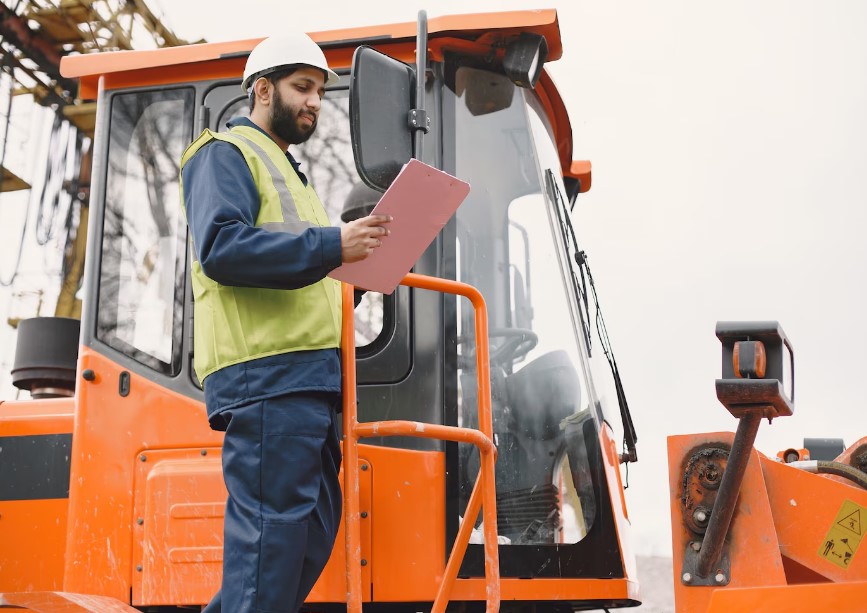
Construction projects often involve changing requirements, limited budgets, and strict completion schedules. Whether contractors are handling residential developments, commercial renovations, road repairs, or temporary infrastructure work, having access to the right equipment is essential. However, purchasing expensive machinery for a project lasting only a few weeks or months may not be financially practical. This is where construction machinery rental becomes a valuable option for contractors and project managers.
Renting construction equipment allows businesses to access specialized machines without committing to ownership. It also provides greater flexibility when project requirements change. For companies managing short-term assignments, rental equipment can support productivity, improve resource allocation, and reduce unnecessary expenses.
Reducing Financial Pressure on Short-Term Projects
Purchasing heavy construction equipment requires significant capital investment. Excavators, bulldozers, loaders, and other machines can represent substantial expenses, especially for smaller contractors. When equipment is needed for only a limited period, ownership may create financial pressure without delivering sufficient long-term value.
Construction machinery rental provides an alternative by allowing contractors to pay for equipment according to their project requirements. Instead of investing heavily in machinery that may remain unused after project completion, businesses can allocate funds toward labor, materials, transportation, and other operational priorities.
Rental arrangements can also make project expenses easier to estimate. Contractors can incorporate equipment rental charges into their budgets and select rental periods that match their expected construction schedules.
Accessing Specialized Equipment for Specific Tasks
Different construction activities require different types of machinery. Excavation work may demand powerful excavators, while material movement requires loaders or other handling equipment. Ground preparation and grading may involve bulldozers or compactors.
Purchasing every machine needed for occasional tasks is rarely practical. Renting allows contractors to select equipment based on the immediate demands of each project.
For example, a contractor working on a small commercial development might need an excavator during the initial groundwork phase but require a loader later for material handling. Rental services make it possible to access these machines during the appropriate stages without maintaining an extensive equipment inventory. This approach helps businesses match machinery capabilities with actual project requirements.
Improving Project Flexibility and Equipment Availability
Short-term construction projects frequently experience unexpected changes. Weather conditions, site accessibility, material deliveries, and scheduling adjustments can influence equipment requirements. Contractors need machinery arrangements that can accommodate these circumstances.
Construction machinery rental offers flexibility by allowing businesses to adjust equipment selections and rental durations according to changing needs, subject to supplier availability and rental agreements.
For projects involving multiple phases, contractors can schedule different machines as work progresses. This prevents unnecessary equipment from occupying valuable space at the construction site.
Working with a dependable rental provider can also simplify equipment coordination and help contractors maintain continuity throughout the project.
Minimizing Maintenance and Storage Responsibilities
Heavy machinery requires regular inspections, servicing, repairs, and appropriate storage facilities. These responsibilities can increase operating costs and consume valuable management time, particularly when contractors own several machines.
Rental equipment can reduce some of these responsibilities because providers commonly handle scheduled maintenance and major servicing. However, contractors must still follow operating instructions, perform required daily checks, and understand their responsibilities under the rental agreement.
Once a project is completed, rented machinery can be returned instead of being stored indefinitely. This is particularly beneficial for businesses operating from limited facilities or managing projects across different locations.
Supporting Faster Project Completion
Completing construction work within the agreed schedule is essential for maintaining client satisfaction and controlling expenses. Equipment shortages or unsuitable machinery can create delays that affect multiple stages of a project.
Renting suitable machines can help contractors organize their operations more effectively. When equipment is scheduled to arrive at the appropriate time, workers can concentrate on completing assigned tasks rather than waiting for machinery.
Reliable equipment, experienced operators, and proper project coordination also contribute to smoother operations. Contractors should confirm delivery arrangements, machine specifications, and technical support before finalizing rental agreements.
Choosing a Reliable Construction Machinery Rental Provider
Selecting the right equipment rental provider is just as important as choosing the machinery itself. Contractors should evaluate equipment condition, availability, rental terms, transportation arrangements, and maintenance support.
A dependable supplier should provide clear information about equipment capabilities and associated charges. Understanding rental conditions beforehand can help prevent unexpected expenses and scheduling complications.
Contractors should also consider whether the provider can accommodate project extensions or changing machinery requirements.
Conclusion
Construction machinery rental offers a practical solution for contractors managing short-term projects without making substantial investments in equipment ownership. It provides access to specialized machinery, supports financial planning, reduces long-term storage requirements, and allows businesses to respond to changing construction demands.
By selecting suitable equipment and working with a reliable rental provider, contractors can maintain productivity while managing project expenses more effectively. For businesses handling temporary assignments or occasional construction activities, machinery rental can be an efficient and financially sensible approach.