
Introduction
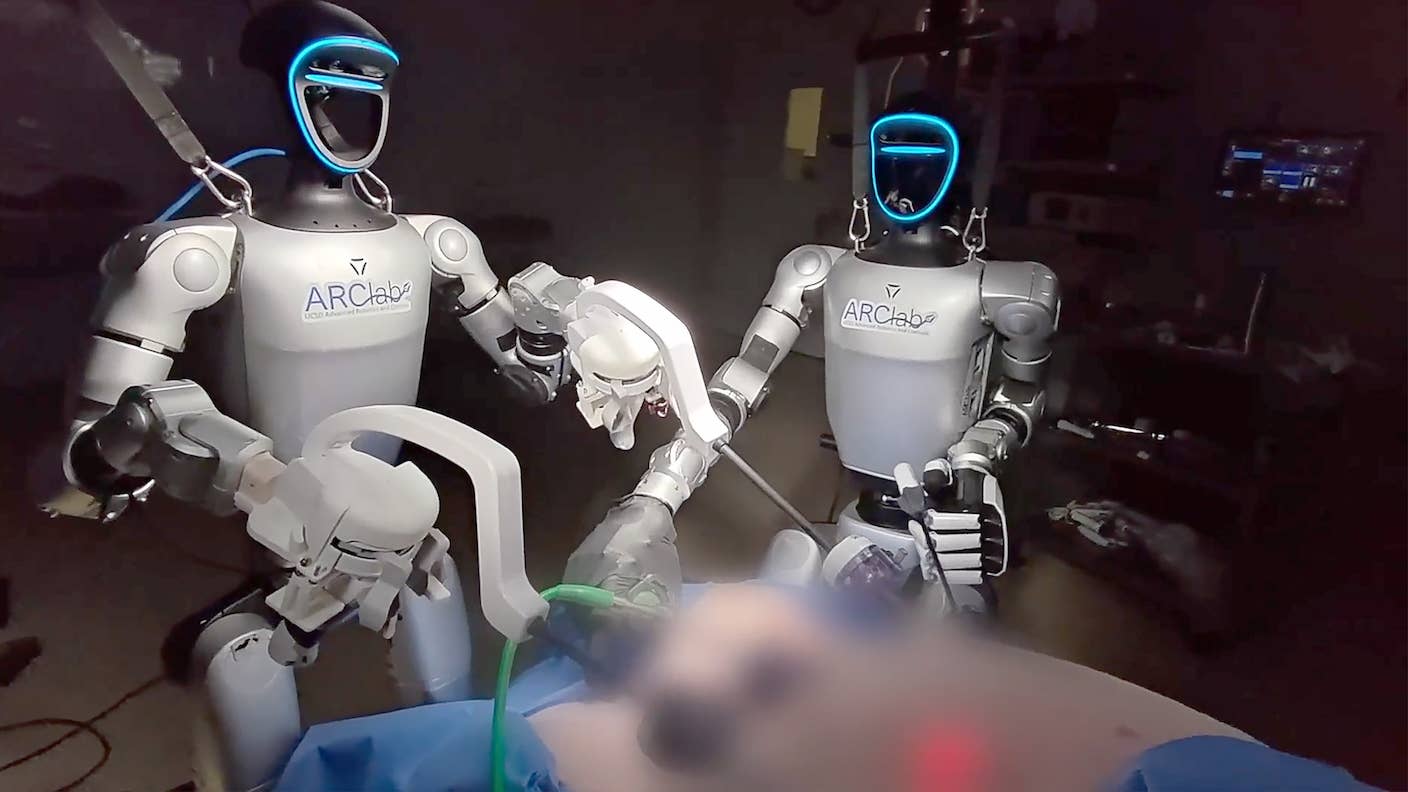
The convergence of biology and technology is opening new possibilities that were once considered impossible. As Artificial Intelligence (AI), biotechnology, robotics, and nanotechnology continue to advance, researchers are developing innovative systems that combine living biological components with intelligent machines. One of the most fascinating developments in this field is Biohybrid Technology, an emerging discipline that integrates biological tissues, living cells, and engineered materials with electronic and mechanical systems to create devices capable of performing tasks beyond the abilities of conventional machines.
Unlike traditional robots, which rely entirely on mechanical components, biohybrid systems incorporate natural biological functions such as muscle movement, neural signaling, cellular growth, and self-healing capabilities. This combination allows scientists to develop technologies that are more adaptable, energy-efficient, and capable of interacting naturally with living organisms. Although biohybrid technology is still in the early stages of development, it has already attracted significant attention in healthcare, environmental science, agriculture, robotics, and biomedical engineering. Experts believe it could become one of the defining technologies of the coming decades.
What Is Biohybrid Technology?
Biohybrid technology refers to the integration of biological materials with artificial systems to create intelligent devices that benefit from both natural and engineered capabilities. The biological components may include living cells, tissues, microorganisms, enzymes, or even plant-based materials, while the artificial components consist of sensors, processors, robotic structures, communication systems, and software.
The goal is to combine the adaptability and efficiency of biological systems with the precision, speed, and computational power of modern technology. Instead of replacing natural biological processes, biohybrid technology seeks to enhance them by allowing living organisms and machines to work together in coordinated ways.
This interdisciplinary field draws knowledge from biotechnology, synthetic biology, robotics, material science, artificial intelligence, biomedical engineering, and computer science. As research progresses, biohybrid systems are becoming increasingly sophisticated and capable of solving complex scientific and industrial challenges.
How Biohybrid Technology Works
Biohybrid systems operate by establishing communication between living biological components and electronic devices. Specialized sensors continuously monitor biological signals such as electrical activity, chemical reactions, muscle contractions, or cellular responses. These signals are transmitted to computer systems where Artificial Intelligence algorithms analyze the information and determine appropriate actions.
In some applications, electronic systems stimulate biological tissues through electrical impulses, encouraging muscles to contract or cells to respond in specific ways. Machine learning algorithms continuously improve system performance by learning how biological components react under different conditions. Advanced materials are also used to create flexible interfaces that allow living tissues and mechanical structures to interact safely and efficiently.
Cloud computing and edge computing often support biohybrid systems by processing large amounts of biological data while enabling real-time responses in critical applications. This integration allows biohybrid technologies to perform complex tasks with remarkable precision and adaptability.
Applications in Healthcare
Healthcare is expected to become one of the largest beneficiaries of biohybrid technology. Researchers are developing biohybrid prosthetic limbs that respond directly to signals from the human nervous system, allowing users to control artificial limbs with natural movements. Unlike traditional prosthetics, these advanced systems can provide more precise control and may eventually restore certain sensory functions.
Scientists are also exploring biohybrid artificial organs capable of adapting to the body’s changing physiological conditions. These intelligent medical devices may improve long-term treatment outcomes while reducing complications associated with conventional implants. Biohybrid cardiac devices, insulin delivery systems, and tissue-engineered implants are examples of ongoing research that could transform patient care.
Another promising application involves targeted drug delivery. Biohybrid microscopic devices may one day travel through the bloodstream, delivering medication directly to affected tissues while minimizing side effects in healthy parts of the body. Such innovations could significantly improve treatments for cancer, neurological disorders, and chronic diseases.
Applications in Robotics and Industry
Biohybrid technology is also influencing the development of next-generation robots. Engineers are designing robots powered by living muscle tissue instead of traditional electric motors. Because biological muscles naturally consume less energy and possess remarkable flexibility, these robots may perform delicate tasks more efficiently than fully mechanical systems.
Industrial automation may also benefit from biohybrid technologies through intelligent sensors capable of detecting chemical changes, environmental pollution, or biological hazards with exceptional sensitivity. Agricultural industries are exploring biohybrid monitoring systems that analyze soil conditions, crop health, and plant growth to improve productivity while reducing environmental impact.
Environmental scientists are investigating microorganisms integrated with electronic systems to detect water pollution, monitor ecosystems, and assist in waste treatment. These intelligent biological systems may contribute significantly to future environmental protection efforts.
Benefits of Biohybrid Technology
Biohybrid technology offers numerous advantages that distinguish it from traditional engineering approaches. One of its greatest strengths is adaptability. Biological tissues naturally respond to environmental changes, allowing biohybrid systems to adjust their behavior without requiring complete reprogramming.
Energy efficiency is another major benefit because biological systems often consume significantly less energy than conventional mechanical devices performing similar tasks. Many living tissues also possess self-repair capabilities, potentially reducing maintenance costs and extending the lifespan of biohybrid devices.
Another important advantage is improved compatibility with living organisms. Medical devices built using biological materials are often more easily accepted by the human body, reducing the risk of rejection and improving patient comfort. This characteristic makes biohybrid technology especially valuable for biomedical applications.
Furthermore, combining Artificial Intelligence with biological systems enables more intelligent decision-making, personalized healthcare, and advanced automation across multiple industries. These capabilities position biohybrid technology as a key component of future scientific innovation.
Challenges and Ethical Considerations
Despite its enormous potential, biohybrid technology faces several scientific, technical, and ethical challenges. Maintaining the health and stability of living biological components over extended periods remains a major engineering obstacle. Researchers must carefully control environmental conditions to ensure biological tissues continue functioning effectively within artificial systems.
The complexity of integrating living organisms with electronics also requires highly specialized expertise across multiple scientific disciplines. Development costs remain high, limiting widespread commercialization during the early stages of research.
Ethical considerations play an equally important role. Questions regarding the responsible use of living tissues, genetic hướng dẫn 98win, data privacy, and long-term environmental impacts require careful evaluation. Regulatory agencies will need to establish comprehensive guidelines that balance innovation with safety, ethics, and public trust.
Cybersecurity is another growing concern as biohybrid medical devices become increasingly connected to digital healthcare networks. Protecting these systems from unauthorized access will be essential for ensuring patient safety and maintaining confidence in future healthcare technologies.
The Future of Biohybrid Technology
The future of biohybrid technology appears exceptionally promising as Artificial Intelligence, biotechnology, regenerative 98win, nanotechnology, and advanced materials continue to evolve. Future hospitals may routinely use biohybrid implants capable of monitoring patient health continuously while automatically adjusting treatments based on real-time physiological changes.
Researchers are exploring biohybrid robots capable of assisting in disaster response, underwater exploration, and space missions where adaptability and energy efficiency are essential. Agriculture may benefit from intelligent biological monitoring systems that improve food production while minimizing environmental impact. Environmental conservation programs could deploy biohybrid sensors that continuously monitor ecosystems and detect pollution before significant damage occurs.
As scientific understanding of biology and engineering continues expanding, biohybrid systems may eventually become an integral part of everyday life. Their ability to combine the remarkable capabilities of living organisms with the precision of intelligent machines could redefine the future of medicine, robotics, environmental science, and industrial innovation.
Conclusion
Biohybrid technology represents one of the most exciting frontiers in modern science by bringing together biology and engineering to create intelligent systems with extraordinary capabilities. Through the integration of living tissues, Artificial Intelligence, robotics, biotechnology, and advanced materials, this emerging field has the potential to revolutionize healthcare, manufacturing, agriculture, environmental protection, and numerous other industries.
Although significant technical, ethical, and regulatory challenges remain, ongoing research continues to demonstrate the remarkable possibilities of biohybrid systems. As technology advances and scientific knowledge expands, biohybrid innovation is expected to play a major role in shaping the future of intelligent machines, personalized medicine, and sustainable technological development. It stands as a powerful example of how collaboration between nature and technology can unlock entirely new possibilities for humanity.