
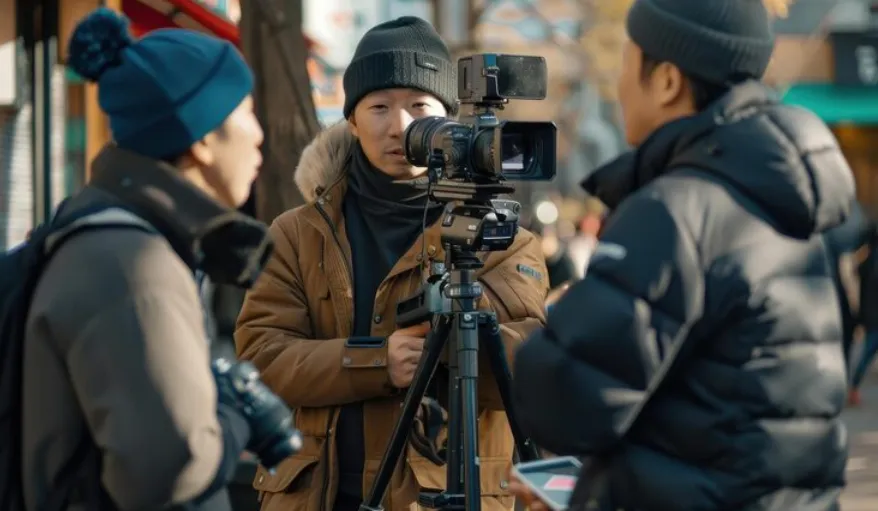
International reporting depends on more than cameras and interviews. Language, access, transport, permissions, and changing schedules can affect a shoot, which is why many teams choose to hire a fixer in South Korea before arriving.
South Korea offers modern cities, traditional districts, industrial zones, rural communities, and efficient transport. Even so, professional filming requires local planning if a crew wants to protect its schedule and make the most of limited production time.
Access Begins Before Arrival
Strong reporting usually starts during pre-production. Interview requests, location checks, travel routes, contributor availability, and shooting priorities should be organised before the crew lands, especially when several locations must be covered in a short period.
A place that looks convenient online may be difficult in practice because of traffic, parking, security procedures, or equipment restrictions. Early checks help crews build a realistic plan instead of discovering problems after the shooting day has already begun.
Local Context Strengthens Reporting
A fixer for foreign journalists can provide much more than direct translation. Local support may include identifying credible contributors, arranging introductions, explaining cultural context, checking terminology, and helping reporters understand how a subject is viewed within South Korea.
This is particularly useful when covering politics, technology, labour, entertainment, education, business, or social issues. A technically accurate translation can still miss tone or cultural meaning, so local context helps journalists ask better questions and interpret answers more carefully.
Locations Need Practical Evaluation
Seoul provides varied visual environments, including traditional neighbourhoods, business districts, markets, universities, transport hubs, and nightlife areas. Each setting presents different challenges involving sound, crowd levels, access, lighting conditions, and movement between filming positions.
Production teams should judge a location by both appearance and practicality. A visually impressive setting may still be unsuitable if background noise ruins an interview, access is uncertain, or travel time creates pressure elsewhere in the schedule.
Permissions Require Early Attention
Professional filming may require approval depending on the location, crew size, equipment, and type of project. Private properties, cultural venues, transport facilities, commercial sites, and government-controlled spaces can all follow different procedures.
These requirements should be checked before cameras arrive. Early confirmation reduces the risk of delays, denied access, or last-minute location changes that can leave a crew searching for alternatives during valuable shooting hours.
Contributors Need Careful Coordination
Finding a suitable interview subject is only the beginning. Crews also need to confirm availability, filming location, language requirements, timing, access conditions, and whether the contributor understands the purpose and intended use of the material.
Communication matters even more when a story develops quickly. An interview may move, a source may cancel, or new information may require a different contributor, so reliable local coordination can help the team adjust without losing momentum.
Transport Shapes the Schedule
Moving through Seoul with cameras, lighting, sound equipment, and several crew members requires more planning than ordinary travel. Traffic, parking, loading areas, walking distances, and equipment transfers can all reduce the number of realistic filming stops in one day.
Productions travelling outside Seoul may need additional vehicles, accommodation, or longer transfer windows. Building sensible travel buffers protects important interviews and prevents one delayed journey from disrupting every activity that follows.
Technical Support Matters
International teams do not always need to bring every piece of equipment from overseas. Depending on the production, cameras, lenses, lighting, audio equipment, monitors, grip gear, and other technical resources may be sourced locally.
The same applies to crew. A project may need a camera operator, sound recordist, production assistant, translator, driver, drone operator, or additional producer, allowing the visiting team to stay smaller while maintaining professional capability on location.
Plans Should Allow for Change
News and documentary production rarely follows the original schedule exactly. Weather, traffic, restricted access, contributor cancellations, changing security conditions, or breaking developments can alter even a carefully prepared plan.
Backup locations, alternative contributors, flexible transport, and clear communication give a crew more options. Preparation does not remove uncertainty, but it makes unexpected changes easier to manage without sacrificing the main editorial goals.
Conclusion
Reporting in South Korea can give international crews access to compelling stories, distinctive locations, modern industries, and diverse communities. Successful field production, however, depends on practical preparation as much as creative or editorial ambition.
When access, contributors, transport, permissions, and local communication are organised in advance, journalists can spend more time reporting and less time solving avoidable problems. That preparation supports stronger interviews, smoother production days, and more effective visual storytelling.