
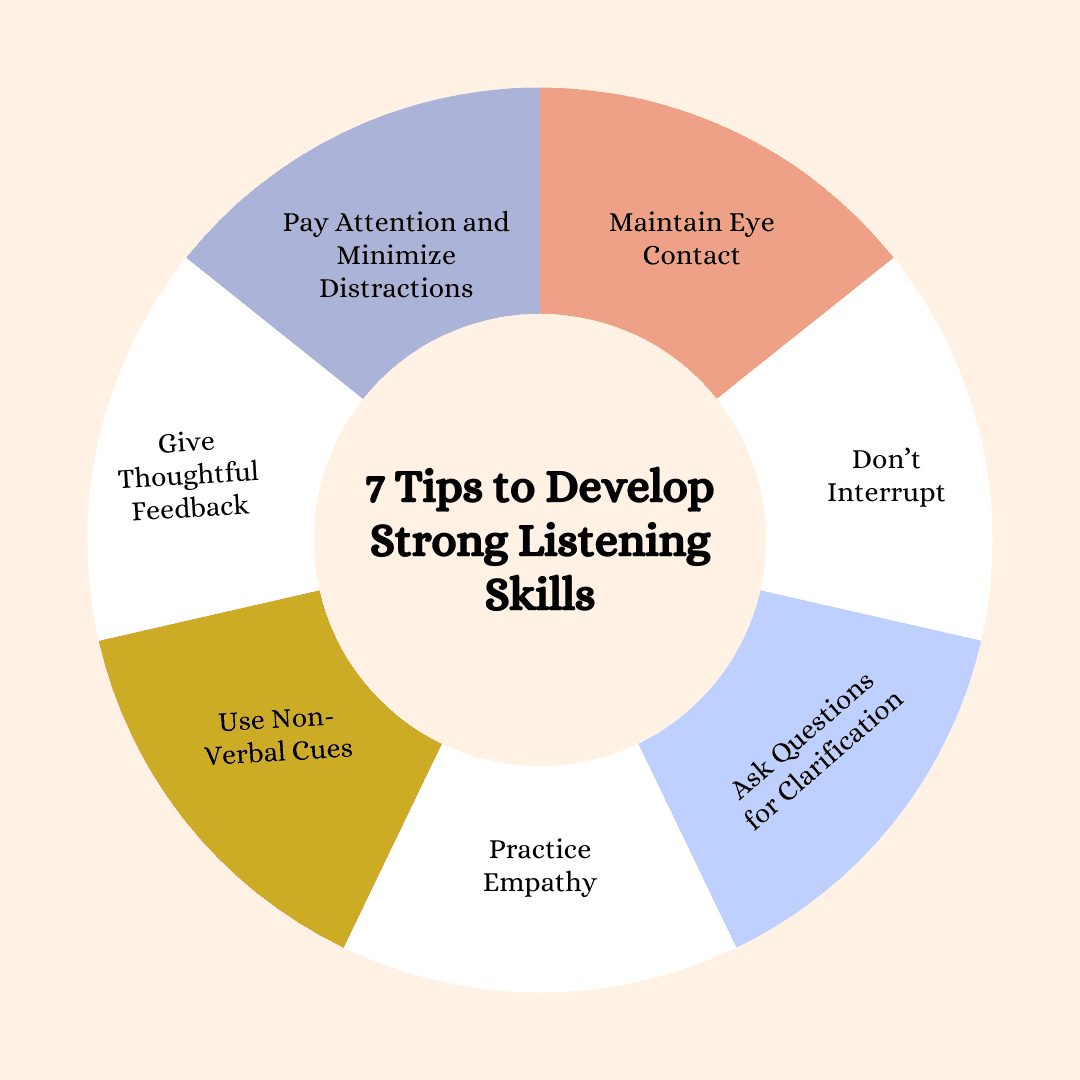
Teaching a language well requires listening just as much as speaking. In the TEFL classroom, a teacher’s ability to listen—to students, to context, and to feedback—shapes the quality of instruction in ways that lesson plans alone cannot achieve. Developing strong listening skills is one of the most underappreciated investments a TEFL educator can make.
Why Listening Matters More Than Most Teachers Realize
Most teacher training programs focus heavily on delivery: how to explain grammar, how to structure activities, how to give instructions clearly. Far less attention is paid to the art of listening. Yet the ability to genuinely hear what students are communicating—both verbally and through hesitation, body language, and silence—provides critical information that shapes responsive teaching.
When a student pauses before answering, that pause carries meaning. It might indicate confusion, lack of vocabulary, or simply the cognitive effort required to construct a sentence in a second language. A teacher who notices and responds to these signals can adjust in the moment, offering support without undermining the student’s confidence.
Active Listening in the TEFL Classroom
Active listening is a deliberate practice. It involves giving full attention, suspending judgment, and responding in ways that demonstrate genuine understanding. In the TEFL context, this translates into a set of specific habits.
First, minimize distractions during student speaking time. Resist the urge to plan the next activity while a student is talking. Second, use affirmations and follow-up questions to show engagement—not just to evaluate accuracy, but to signal that what the student is saying has value. Third, allow silence. Many TEFL educators feel compelled to fill quiet moments immediately, but pausing gives students time to process and respond more fully.
These habits, practiced consistently, create a classroom culture where students feel heard. That sense of being heard is a powerful motivator for continued participation.
Listening for Errors Without Interrupting Flow
One of the more nuanced skills in TEFL teaching is knowing when to correct errors and when to let them pass. Interrupting a student mid-sentence to correct a grammar mistake can disrupt fluency and discourage risk-taking. On the other hand, allowing persistent errors to go unaddressed can reinforce incorrect patterns.
Experienced TEFL educators listen for patterns rather than isolated mistakes. If a student makes the same error repeatedly across different contexts, that signals a genuine gap that needs targeted attention. If an error occurs once during a fluency activity, it may be more appropriate to note it and return to it later.
Keeping a brief mental or written record of recurring errors allows teachers to design focused correction activities without disrupting the natural flow of communication in the classroom.
How Listening Builds Teacher-Student Relationships
Students are perceptive. They quickly sense whether a teacher is genuinely engaged or simply going through the motions. A teacher who listens attentively builds credibility and trust, which directly impacts how willing students are to participate, take risks, and ask for help.
This relationship becomes especially important when teaching adult learners or students from cultures where questioning a teacher is uncommon. In those contexts, active listening creates space for students to express confusion or disagreement in ways that feel safe and respectful.
Developing Your Listening Skills as a TEFL Educator
Like any professional skill, listening improves with practice and reflection. Recording a lesson and reviewing it afterward can reveal patterns in how much time students actually speak versus how much the teacher speaks. This ratio—often called the student-talk time versus teacher-talk time balance—is a useful benchmark for evaluating classroom dynamics.
Peer observation is another valuable tool. Watching a colleague teach with the specific intention of observing their listening behaviors can surface strategies that are easy to adapt to your own practice.
The Quiet Power Behind Great TEFL Teaching
The TEFL educators who make the deepest impact on their students are often those who speak less and listen more. Listening well is not passive—it is a disciplined, active skill that takes time to develop. Build it deliberately, and the quality of your teaching will follow.