
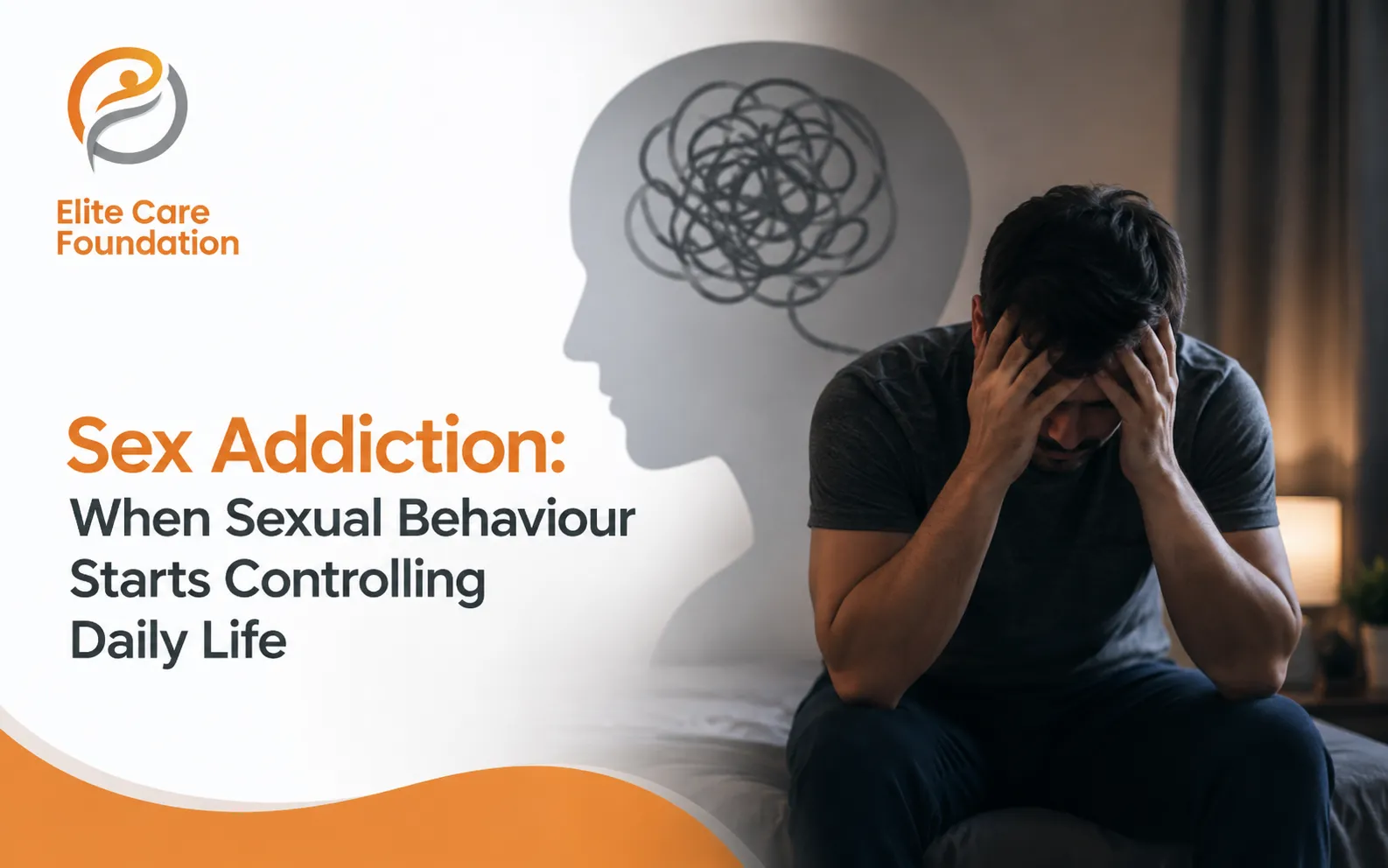
A strong sexual interest is not, by itself, an addiction. The concern begins when a person repeatedly loses control over sexual thoughts or behaviour, continues despite serious harm, and feels unable to change the pattern. Work may suffer. Relationships can become strained, and secrecy may bring guilt, debt or health risks. The right assessment looks at control and consequences, not at how often a person has sex.
What clinicians look for
The World Health Organization’s ICD-11 uses the term compulsive sexual behaviour disorder and places it under impulse-control disorders. A clinician looks for a persistent failure to manage intense sexual urges or behaviour that causes marked distress or disrupts daily functioning. Distress based only on moral judgement or social disapproval is not enough for this diagnosis. This distinction protects people from being labelled simply because their values, libido or relationship choices differ.
Possible warning signs include repeated failed attempts to stop, long periods spent planning or recovering from the behaviour, neglect of duties, unsafe encounters, spending that is hidden from the family, or using sexual activity to escape loneliness, anger or anxiety. Some people may also have depression, trauma, alcohol or drug use, obsessive symptoms, or periods of unusually elevated mood. These concerns need separate assessment because they can change the treatment plan.
What treatment may involve
Good care starts with a private clinical interview. Treatment may include cognitive behavioural therapy, work on triggers, emotional regulation, relationship counselling and a practical relapse-prevention plan. It does not aim to remove healthy sexuality. The aim is to restore choice, consent, safety and balance. When depression, anxiety, trauma or another psychiatric condition is present, a psychiatrist may need to treat it alongside the compulsive behaviour.
People searching for a rehab centre in Mumbai should ask whether the programme assesses behavioural addictions and related mental health conditions, rather than applying a standard substance-detox model. Detoxification is usually not the central treatment for compulsive sexual behaviour unless alcohol or drug dependence is also present.
Family support without surveillance
Families can help by discussing clear boundaries, money, digital privacy and sexual health without humiliation. Constant checking, public confrontation and forced disclosure often increase secrecy. Couples counselling can help both partners address trust and safety, but it should not replace individual treatment. Where behaviour is non-consensual, illegal or creates an immediate risk, safety and lawful professional action come first.
Privacy and consent during care
Adults seeking help may fear that intimate details will automatically be shared with relatives. A credible programme explains confidentiality and its safety or legal limits before assessment. Family involvement should be discussed with the patient, except where urgent risk or law requires action. Treatment also needs clear consent boundaries within couples work. A partner can describe the effect on the relationship, but should not be turned into an investigator. If there is a risk of sexually transmitted infection, unsafe contact or financial harm, clinicians can help the person plan honest, timely and responsible steps.
Specialist sex addiction treatment in India should therefore be judged by clinical assessment, confidentiality, qualified professionals and continuing care. Progress is rarely measured by a single promise of abstinence. Better control, honest communication, safer choices and a return to work, sleep and relationships are more meaningful signs of recovery.